
Operating in the maritime industry comes with unique security challenges that standard land-based security teams simply aren’t equipped to handle. From commercial ports and cargo terminals to shipyards and private marinas, marine environments present high-value targets for theft, vandalism, unauthorized boarding, and severe regulatory non-compliance.
Whether managing a bustling cargo dock or safeguarding a fleet of vessels, hiring dedicated maritime security guards is essential to keeping operations safe, compliant, and profitable.
1. Compliance with Regulations
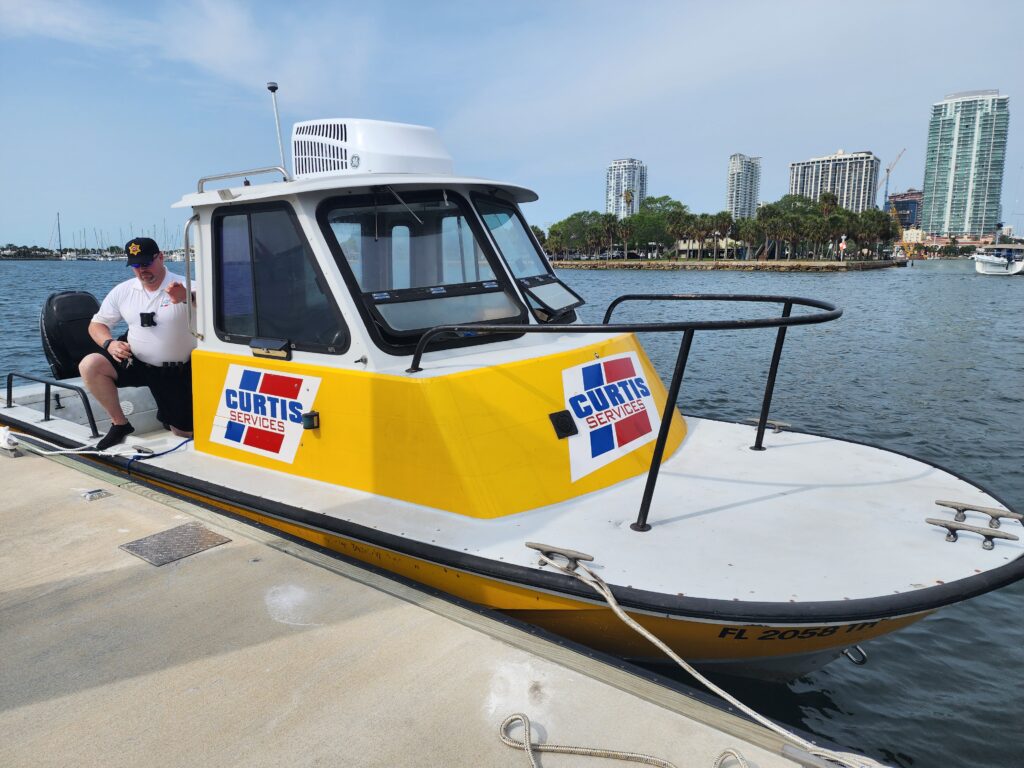 Maritime security isn’t just a best practice—it’s heavily regulated by federal law. In the United States, commercial ports, terminals, and vessels must strictly adhere to the MTSA (Maritime Transportation Security Act) and international ISPS (International Ship and Port Facility Security) Code standards.
Failing to maintain required security protocols or credentialing (such as TWIC—Transportation Worker Identification Credential verification) can result in:
Massive Coast Guard fines and citations
Forced operational shutdowns of docks or terminals
Severe delays in cargo loading and discharge schedules
2. Protecting High-Value Cargo and Equipment
Port terminals and shipyards house millions of dollars in freight, heavy machinery, raw materials, and fuel. Standard fencing and CCTV cameras can record crimes, but they cannot physically stop an intrusion.
Trained maritime security guards perform active access control, cargo manifest checks, and continuous perimeter patrols to eliminate cargo theft and equipment vandalism.
3. Preventing Unauthorized Boarding & Trespassing
Waterfront perimeters are inherently vulnerable. Trespassers, copper thieves, and unauthorized individuals can easily access facilities or vessels via small craft from the water side—an entry point standard land security often overlooks.
Maritime security personnel are trained to monitor both landside access gates and waterside perimeters to prevent unauthorized boarding before it occurs.
4. Specialized Emergency Response and Safety
Marine environments carry unique hazards, including hazardous material (HAZMAT) spills, fuel leaks, fire risks, and water safety emergencies. Maritime security guards are trained to spot early safety hazards, enforce fire watch protocols during vessel maintenance or hot work, and coordinate seamlessly with the U.S. Coast Guard, local marine harbor patrols, and first responders during critical emergencies.
Protect Your Marine Assets and Operations
Unchecked security vulnerabilities at the dock lead to supply chain disruptions, damaged equipment, and costly regulatory penalties. Partnering with certified, TWIC-compliant security professionals ensures your maritime facility remains secure around the clock.
Key Financial Benefits for Marine Operations
Avoid Devastating Port Delays: Coast Guard compliance violations can halt cargo operations, costing facility operators thousands of dollars per hour in demurrage fees.
Stop Waterborne Intrusions: Dedicated guards monitor dock lines, gangways, and water access points to prevent unauthorized vessel boarding.
Lower Property Insurance Premiums: Demonstrating active, TWIC-compliant security patrols reduces operational risk and can qualify your facility for lower marine liability insurance rates.
Are Your Port and Vessel Assets Protected?
Waterfront operations move at a rapid pace, making commercial ports, marinas, and shipyards prime targets for cargo theft, trespassing, and expensive regulatory fines. Standard security measures aren’t enough when your perimeter extends onto the water.