
Hot works in Florida, construction or industrial tasks that create a flame or spark, which poss a fire hazards, such as welding and using tools/equipment that release heat, must follow strict safety protocols.
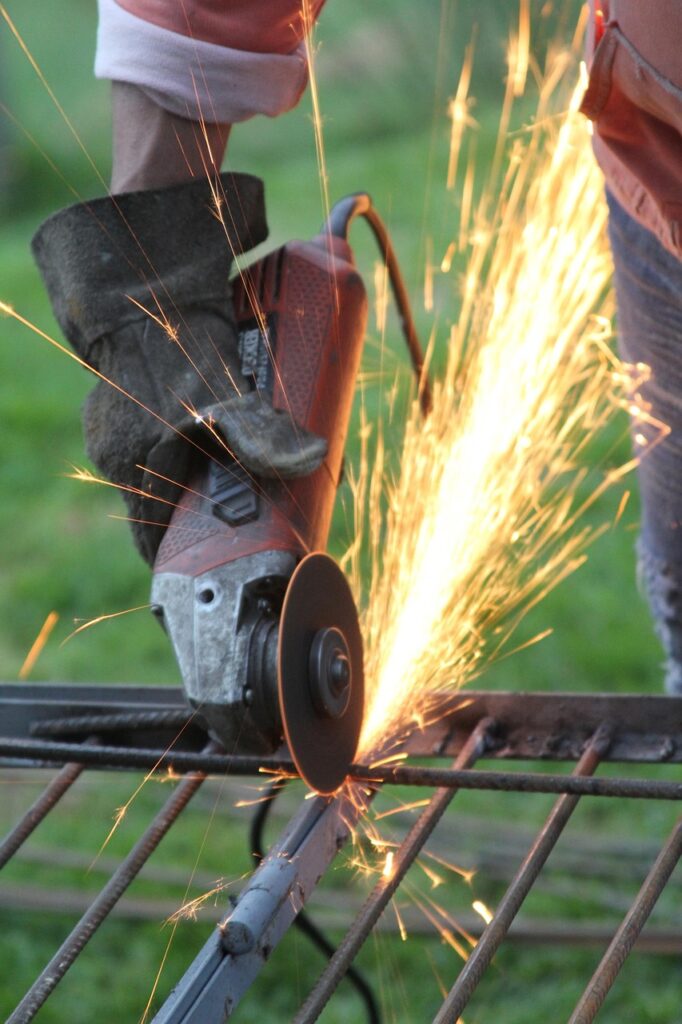 According to the NFPA, “Hot work refers to any process that involves open flames, sparks, or heat-producing tools and equipment. This can include activities such as welding, cutting, brazing, soldering, grinding, and other similar processes that generate heat and sparks. Hot work processes have the potential to ignite flammable materials, gas, or vapors in the surrounding environment, leading to fires or explosions if proper precautions are not taken.”
Hot works can result in fire or explosions when it ignites combustible materials. Growing out of control quickly, possibly resulting in loss of property and injury of workers.
Did you know, the most common cause of death for workers is hot works, among incidents the Chemical Safety and Hazard Investigation Board makes inquires about.
The National Fire Protection Association, NFPA 101-3.3.108 defines a fire watch as “The assignment of a person or persons to an area for the express purpose of notifying the fire department, the building occupants, or both of an emergency; preventing a fire from occurring; extinguishing small fires, or protecting the public from fire or life safety dangers.”
To ensure the necessary safety measures are in place, Occupational Safety and Health Administration, OSHA requires to have a fire watch service present during hot works if any of these conditions exist (1915.504(b)):
1. Slag, weld splatter, or sparks which might pass through an opening and cause a fire.
2. Fire-resistant guards or curtains are not used to prevent the ignition of combustible materials on or near decks, bulkheads, partitions, or overheads.
3. Combustible material is located closer than 35 feet to the hot work area, in either the horizontal or vertical direction, that cannot be removed, protected with flame-proof covers, nor otherwise shielded with metal or fire-resistant guards or curtains
4. Hot work occurs on or near insulation, combustible coatings, or sandwich-type construction that cannot be shielded, cut back, or removed, or in a space within a sandwich-type construction or inter-barrier space that cannot be inerted.
5. Combustible materials adjacent to the opposite sides of bulkheads, decks, overheads, metal partitions, or sandwich- type construction may be ignited by conduction or radiation.
6. The hot work is close enough to cause ignition through heat radiation or conduction on the following:
Insulated pipes, bulkheads, decks, partitions, or over heads;
Combustible materials and/or coatings; or
Unprotected combustible pipes or cable runs
Construction sites are where fire guards are essential. You can be sure, the Fire Guards at Curtis Protective Services, are highly trained in both commercial and residential buildings. We have an in-depth knowledge of fire hazards, and quick response to any signs of danger to prevent loss of life and property damage.